Home / Food & provisions
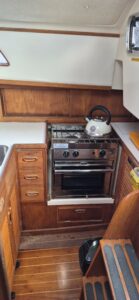
A good yacht provisioning list starts with your crew, the number of meals you will eat aboard and the space you have to store food. Plan simple dishes, share ingredients between meals and shop before departure. On Sensation you have a two-burner gas oven, fridge and freezer, so a practical home-style menu works well.
Our charters are at least five days outside peak periods and seven days in peak periods. This checklist is for a coastal holiday with meals aboard, rather than an offshore passage. Keep enough flexibility to change the order of your days without depending on an unplanned shop or restaurant stop.
Start with a crew-meal worksheet
Write down how many breakfasts, lunches, dinners and snack days each person needs. Count the arrival and return days separately. You may need lunch on the first day even if dinner is your first cooked meal aboard. Ask everyone about dietary needs before making the shared shopping list.
Copy this worksheet and the food list into a document to print or share with your crew. Add a quantity beside each item and mark who will buy it. Use the servings on each packet: if dinner needs six servings and a packet provides three, put two packets on the list. Keep a separate column for items already packed.
- Crew eating aboard: ___ people
- Breakfasts aboard: ___ × ___ people = ___ portions
- Lunches aboard: ___ × ___ people = ___ portions
- Dinners aboard: ___ × ___ people = ___ portions
- Extra meals or reserve food: ___ portions
- Dietary needs and individual essentials: ___
- Meals ashore already arranged: ___
For example, three people eating five breakfasts need 15 breakfast portions. Use your confirmed crew and count servings in the products you actually buy.
Yacht provisioning list: food and drink
- Breakfasts: oats or cereal, bread or wraps, spreads, fruit, and milk or a suitable alternative.
- Lunches: wraps, crackers or bread; beans, fish or another preferred filling; hardy vegetables; dressings or spreads.
- Dinners: pasta, rice or another staple; sauces; vegetables; and the proteins needed for your chosen dishes.
- Snacks: fruit, nuts where suitable, crackers and easy food you can reach without cooking.
- Drinks: drinking water and the hot or cold drinks your crew normally uses.
- Basics: cooking oil, seasoning, tea or coffee, dishwashing supplies and rubbish bags, after checking what you need to bring.
- Reserve: an easy shelf-stable meal that does not depend on fresh shopping or a complicated recipe.
A simple five-day menu
Use this as a planning example and adjust portions and ingredients to your crew. Repeating a breakfast or using leftovers for lunch saves space and preparation time.
- Day 1: prepared sandwiches for lunch; pasta with tomato sauce and vegetables for dinner.
- Day 2: oats or cereal; wraps for lunch; a one-pot curry with rice for dinner.
- Day 3: toast and fruit; a snack-style lunch; a tray-baked meal with vegetables for dinner.
- Day 4: repeat your preferred breakfast; use remaining suitable lunch fillings; cook a simple rice or pasta dish.
- Day 5: finish breakfast supplies; prepare an easy return-day lunch; keep the reserve meal available if plans change.
For seven days, add two dinners that reuse the same staples, such as a bean dish and another pasta meal. Keep the final day easy to clear away. A complicated breakfast can turn packing and returning the boat into a rushed exercise.
Boat provisioning: match the galley and storage
Check Sensation’s equipment and layout before choosing meals. A two-burner cooker rewards dishes that do not need four pans at once. A main dish plus one side is easier to prepare, serve and wash up than several separate components.
The fridge and freezer provide cold storage, but plan for yacht-sized space. Use compact containers and buy quantities you will use. Remove unnecessary outer packaging ashore, keeping labels or preparation instructions you need. Load heavier items securely and keep daily essentials where they are easy to reach.
Agree one place for snacks and drinks. That reduces the need for someone to search through the galley while another person is cooking. Keep ingredients for your first meal together so you can settle in without unpacking every bag.
Water planning for Sensation
Sensation has a 170-litre water tank. That is tank capacity, not a guarantee of how long water will last: drinking, cooking, washing and your crew’s habits all affect use. Discuss the water arrangements and possible refill opportunities at handover.
Plan drinking water separately and make sure everyone has a bottle for shore visits. Do not rely on finding a tap at an island stop. A walk and a picnic need their own water allowance, especially when your route changes or you stay longer than expected.
Fresh food, waste and changing plans
Use the more perishable ingredients earlier and retain flexible meals for later. Follow food labels and suitable storage temperatures; ask us about the fridge setup during handover. Keep raw ingredients contained and separate from ready-to-eat food.
Bring rubbish back from shore visits and keep waste contained aboard. Pack reusable containers for lunches and use a secure bag when transferring supplies in the tender. Check food, bags and equipment for pests before visiting the islands.
Match the shopping to a flexible five- or seven-day sailing plan. If a weather change keeps you aboard, the ingredients should still make a meal without needing a particular landing or café.
The final shop check
- Count portions against the confirmed crew and meals aboard.
- Check dietary requirements and shared items with everyone.
- Confirm the equipment, linen and other arrangements with us.
- Buy compact quantities and plan cold storage.
- Keep the first day’s food accessible.
- Include a simple reserve meal and shore-visit drinking water.
Ask us about Sensation’s galley and your charter plans. Once the food list is ready, use our sailing packing checklist for personal gear.
Questions before you go
Does the charter include food?
Plan to bring your own provisions for Sensation. Use the yacht inventory and your meal plan to decide what to shop for before departure.
Can we rely on buying supplies on the islands?
Plan your meals before departure and carry what your crew needs. Keep a reserve meal so your food plan works when the weather changes your island stops.